

The Clone Wars: How High-End Replicas and the "Legit Check" Phenomenon Flipped the Sneaker Market
Counterfeit factories operating with state-of-the-art machinery in Putian, global communities with millions of members obsessed with "Legit Checking," advanced computer-vision algorithms hunting down millimeter-precise fakes, and major brands scrambling to contain an invisible tsunami. The sneaker replica culture has evolved from cheap, plastic street-market knockoffs into products structurally indistinguishable from the originals. This phenomenon has not only challenged the industry but turned the multi-billion-dollar resale market completely upside down.
1. Putian: The Secret Capital That Builds Everything
Putian, located in China's Fujian province, served for decades as the official manufacturing hub for athletic giants like Nike, Adidas, New Balance, and Puma. For years, the local ecosystem operated under an urban legend that ultimately proved true: legitimate factories ran official shifts during the day, and at night, the very same production lines, molds, and often the exact same workers produced "extra" pairs. These sneakers became known as Unauthorized Authentics (UA).
Over time, this parallel market capitalized on its massive revenue. Megafactories dedicated exclusively to top-tier replicas emerged. They no longer just clone visible designs; they buy raw materials from the exact same component suppliers used by official brands—sourcing everything from premium leather cuts to technological cushioning pieces, like genuine Boost foam or functional Zoom Air pods.
2. Technological Evolution: From Plastic Trash to 1:1 Standards
Back in the 1990s and 2000s, fake shoes were synonymous with throwaway junk: synthetic leather that peeled within weeks, warped logos, inaccurate sizing, and soles that detached during the first heavy rain. That era is dead. Three pillar factors drove this massive evolution:
- Expertise Transfer: Former employees from official factories opened their own independent operations, mastering chemical engineering, stitching patterns, and thermal molding processes.
- Organized Global Demand: Online subcultures began cataloging, comparing, and grading Chinese factories through highly technical, macro-photo reviews, forcing counterfeiters to continuously upgrade their quality control.
- Supply Chain Access: High-traction rubber compounds, polyurethane molds, reinforced nylon threads, real barcode tags, and factory-accurate boxes are all produced within the same geographic radius in Putian.
The result is the emergence of 1:1 replicas or top-tier batches. These sneakers are virtually indistinguishable from retail products, to the point of passing rigorous human visual inspections and, in some cases, displaying cleaner stitching and fewer glue stains than official pairs.
3. Anatomy of the Market: The Batch Hierarchy
The replica market features its own taxonomy and well-defined price tiers:
- Budget Tier ($15 - $30): The classic "flea market plastic." It features cheap synthetic materials, warped proportions, and a heavy chemical smell of cheap industrial glue.
- Mid-Tier / Mid-Batch ($50 - $80): High visual accuracy on the outside, but shortcuts are taken on internal details, such as insole density and overall shoe weight.
- Top-Tier / High-End Batches ($100 - $150): Known by factory-assigned codenames (such as PK Kim, LJR, H12, or GX). They utilize materials identical to retail and pass 95% of human visual inspections.
- Retail/UA Batches ($120 - $180): These claim to use the actual original factory blueprints and heavy industrial machinery, boasting a level of handcrafted quality control that often beats the official brands' mass production.
4. The Parallel Universe of Legit Checking (LC) and Quality Checking (QC)
The extreme precision of modern replicas gave birth to a massive digital subculture dedicated to fraud detection and purchase validation. Giant Reddit forums, such as r/Repsneakers and r/FashionReps, gather millions of users, forming the largest decentralized authentication network in the world. This ecosystem operates with its own native vocabulary:
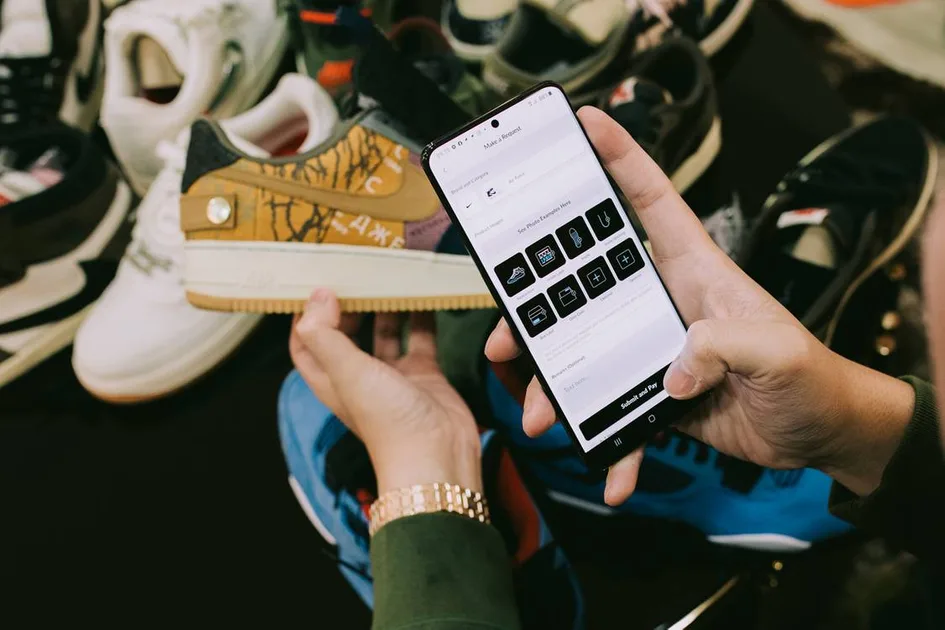
- LC (Legit Check): The ritual where a user posts high-resolution photos of a sneaker bought from secondary marketplaces to ask if it is genuine. The community meticulously analyzes the stitches-per-inch ratio, font spacing on the tongue tag, outsole tread geometry, and fabric glow under UV blacklights.
- QC (Quality Check): The inverted process. A user posts photos provided by a replica seller before the item ships out. The community evaluates if the specific batch is flawless enough to give it a GL (Green Light - approve shipment) or an RL (Red Light - reject and ask for a different pair).
- W2C (Where to Cop): Direct source links shared among users to pinpoint the exact factory supplier for a specific silhouette.
The ultimate irony is that these online hubs operate simultaneously as the world's greatest fraud-detection filter and the most expansive advertising catalog for replica batches on earth.
5. The Technological Authentication Arms Race
Giant secondary marketplaces like StockX and GOAT built financial empires on the promise of "100% verified authenticity," relying on massive physical hubs staffed by human authenticators. However, the sheer volume of transactions and the millimeter-perfection of high-end batches made this model fragile, resulting in public lawsuits where brands accused platforms of letting counterfeit lots slip through.
The industry's counter-response has been heavy investment in cutting-edge tech:
- AI and Computer Vision: Advanced software from specialized authentication firms (such as the Entrupy system) analyzes microscopic close-ups. The AI cross-references geometric weaving patterns and thread molecular compositions against a database of millions of verified retail images.
- Blockchain and Cryptography: Nike patented its CryptoKicks ecosystem, linking a unique digital blockchain token to each physical pair sold at retail.
- Security Cloning: Brands began embedding hidden RFID and NFC chips directly inside shoe mid-molds. In immediate retaliation, advanced Putian operations are already testing and cloning the encrypted digital signatures of these chips.
6. The Pandabuy Crackdown and the New Enforcement Landscape
For years, the replica market operated seamlessly through shopping agents and logistics intermediaries based in China, with Pandabuy standing as the largest and most famous. These platforms allowed any Western consumer to purchase directly from Chinese factory catalogs through a streamlined, user-friendly interface with consolidated global shipping.
This ease of access triggered an unprecedented explosion of replica content across TikTok and Instagram. However, the sneaker industry responded with heavy legal pressure, culminating in massive police raids in China that seized entire logistics warehouses and took these major agents offline. While this enforcement forced the replica subculture back into private channels—operating discreetly via encrypted messaging apps and direct middleman transactions—the actual factory production volume has not slowed down.
7. The Triad of Demand: Why Do People Buy Replicas?
While the moral argument is clear—counterfeiting infringes on intellectual property rights and operates outside legal commerce boundaries—modern sneaker consumers are driven by motivations far more complex than just wanting a cheap price tag:
- Artificial Scarcity and Scalping: A sneaker with an original retail price of $150 can easily skyrocket past $1,500 on the secondary market due to brands intentionally choking supply. Replicas offer the exact same aesthetic and physical value for a fraction of that inflated resale cost.
- Protesting "Bot" Monopolies: The official release market has been completely taken over by automated checkout software (bots) that buy up entire online stocks in milliseconds, blocking actual human consumers from buying at fair retail prices. For many, turning to replicas is an act of consumer rebellion.
- Quality Inversion: It is increasingly common to see mass-produced retail sneakers leave official factories with glaring glue flaws, stiff synthetic leather, and asymmetrical panels, while top-tier replica lots often receive a far more rigorous, hands-on quality-control process.
8. The Permanent Impact on the Resale Market
High-fidelity replicas have injected a deep crisis of confidence into the secondary sneaker market. The paranoia is tangible: if the world's top human authenticators cannot differentiate a pair with 100% certainty, the psychological premium people are willing to pay for rare holy grails begins to melt away.
Today, the price of top-tier replicas acts as an invisible price ceiling for the resale market. Furthermore, this dynamic has created a strange inversion of roles: the most talented authentication professionals in the world today were recruited straight out of replica forums. The very brands and tech platforms fighting counterfeits frequently hire these subculture experts to train their official verification teams. The poacher has truly become the gamekeeper.
Comments
Loading comments…
Log in to leave a comment