

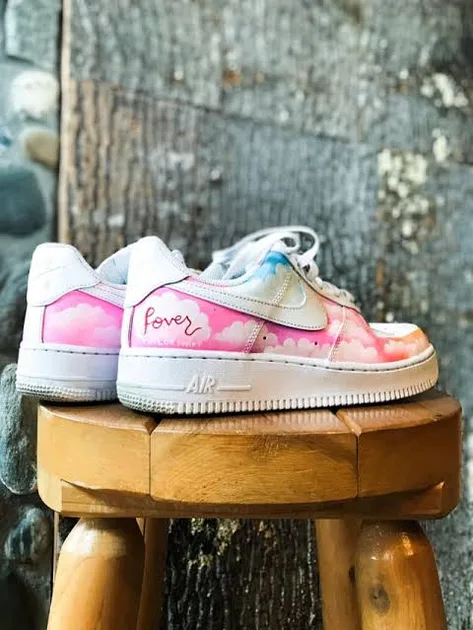
Sneakers Made to Last: The Advanced Custom Care Guide for Your Collection
A solid cleaning routine can add years to a sneaker's lifespan and keep your colorways looking as fresh as drop day. However, the right approach depends entirely on the upper material. Knowing exactly what you are dealing with before applying any product is the ultimate secret to preventing irreversible damage to your collection.
1. Know Your Material Before the Clean
Each texture requires a different tool and scrubbing intensity:
- Leather and Synthetic Leather: These are the most resilient materials and can handle a more intense scrub. A medium-bristle brush, mild soap, and a damp microfiber cloth will handle most dirt.
- Suede and Nubuck: Extremely delicate fabrics. Water can cause permanent staining. Always use a dedicated suede brush (brass or rubber bristles) and a crepe eraser for dry stains. Save specific liquid cleaners for worst-case scenarios only.
- Mesh and Knit (Flyknit/Primeknit): Common on running shoes and lightweight lifestyle silhouettes. They are pliable and trap dust deep within the weave. Clean them manually, spot by spot, using a soft-bristle brush (like an old toothbrush).
⚠️ The Washing Machine Myth: Never throw your sneakers into the washing machine. The wash and spin cycles can warp the midsole, deform the upper, and weaken the glue over time, completely ruining the shoe's shape.
2. Don't Forget the Details: Laces and Insoles
For a true deadstock-level clean, strip the sneaker down:
- Laces: Remove them completely and soak them in a warm water solution with mild soap (or non-chlorine bleach for white laces). Scrub them between your hands and hang them up to dry.
- Insoles: Take them out to air out. Lightly scrub the top layer with a damp sponge and soap to eliminate odors. Never soak them through, as they can lose their anatomical shape.
3. Midsole and Outsole: Fighting the Yellowing
Yellowing on white midsoles (especially on classics like the Nike Air Max and Air Force 1) is caused by material oxidation, which is accelerated by UV rays.
- The Home Remedy Hack: Mix baking soda and hydrogen peroxide (30 or 40 volume) until it forms a paste. Apply it to the yellowed areas, wrap the section in plastic wrap, and leave it out in the sun for 1 to 2 hours. Wipe it completely clean with a damp cloth afterward.
- Outsole Maintenance: Scrubbing the outsole with a stiff brush after a wear keeps rocks and dirt from getting embedded in the tread, preserving the original traction.
4. The Critical Step: Proper Drying
Drying your sneakers incorrectly can lead to mold growth or sole separation.
- Always Shade Dry: Never dry your sneakers directly under the sun or behind a refrigerator. Excessive heat dries out leather and melts structural adhesives.
- Lay Them Flat: Let your sneakers dry lying on their side rather than standing up. This prevents water from pooling completely in the heel.
- The Paper Trick: Stuff paper towels or blank white packing paper inside the shoe. This speeds up internal moisture absorption and helps maintain the overall shape.
5. Storage Matters Just as Much as Cleaning
How you store your pairs dictates their longevity and helps prevent mid-sole crumbling:
- Shoe Trees: These help the upper retain its original shape and drastically reduce creases in the toebox leather.
- Moisture Control: Store your sneakers in well-ventilated areas or drop-front organizer boxes with ventilation holes. Placing silica gel packets inside the boxes helps ward off mold, especially on suede.
- Rotation: Avoid wearing the same sneaker two days in a row. Letting your footwear "rest" for 24 to 48 hours gives the cushioning foam time to decompress and allows foot sweat to evaporate completely.
Weekly Routine Breakdown
- After every wear: Brush off loose dirt and wipe down the midsole with a quick wipe.
- Every 15 days: Deep clean the upper and wash the laces manually (if worn frequently).
- In the closet: Always store with shoe trees (or paper stuffing) away from direct sunlight.
This small investment of time is the difference between a sneaker that looks beat and worn out within six months, and a pair that stays flawless and highly valued for years in the resell market.
Comments
Loading comments…
Log in to leave a comment